Brother of the Birthday Cowboy: A Designer’s Review
When I first pulled up the Brother of the Birthday Cowboy file, my immediate reaction was one of recognition. In a sea of generic clipart and overly complex vector art, this design stands out because it understands its audience. As an embroidery designer who has spent years digitizing concepts for small business owners, Etsy sellers, and craft fair enthusiasts, I know that a successful embroidery project relies on more than just a cute idea—it requires structural integrity and visual clarity when translated into thread.
This particular Graphics asset falls squarely into the T-Shirt Designs category, but limiting it to just apparel feels like selling short. The prompt describes it as a "Print Ready File" that can be downloaded and edited. While this suggests versatility, my review focuses on how it performs when treated as a serious machine embroidery design. Is it ready for the hoop? Does it hold up under scrutiny? Let’s dive into the practical realities of using this file in real-world production.
First Impressions: Mood and Visual Personality
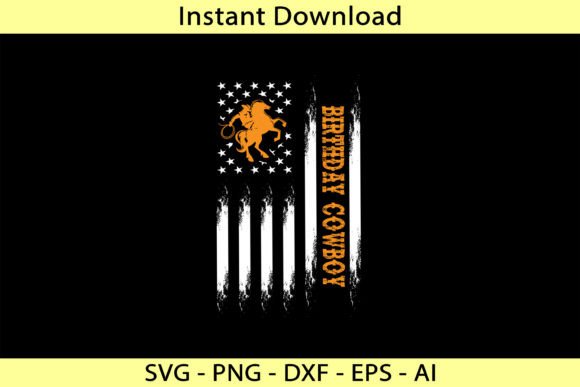
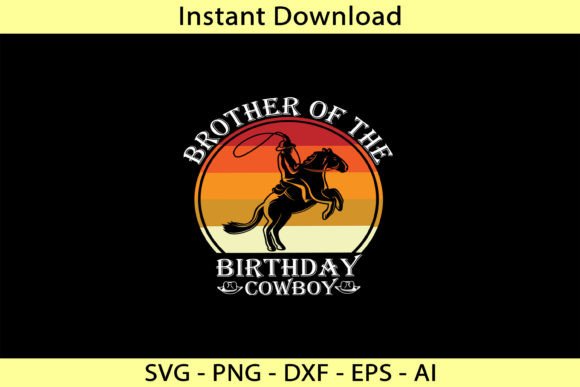
The core strength of Brother of the Birthday Cowboy lies in its thematic cohesion. It captures a specific niche: the rugged yet sentimental aesthetic popular in Western-themed nurseries, family reunions, and birthday celebrations. The mood is playful but grounded. It doesn’t scream for attention with neon colors or chaotic layouts; instead, it offers a steady, confident presence that reads well from a distance.
From a layout perspective, the balance between text and imagery is crucial. In many cowboy-themed designs, the typography overwhelms the character, or vice versa. Here, the composition feels intentional. The text "Brother of the Birthday Cowboy" likely anchors the design, providing a clear narrative hook for the buyer. This is vital for personalized gift items where the customer needs to instantly understand the occasion. Whether it’s for a toddler’s first rodeo or a sibling’s big day, the design communicates its purpose without needing explanation.
Real-World Application: Where Does It Fit?
I often advise my clients to think about the end product before they even click "stitch." So, where does Brother of the Birthday Cowboy shine? My experience suggests it is exceptionally versatile across several categories:
- Custom Apparel: Naturally, this works beautifully on sweatshirt embroidery projects. The chest placement on a heather gray or navy hoodie creates a classic, boutique look. It also translates well to t-shirt designs, particularly on cotton blends that take thread well.
- Baby Items: There is a massive market for baby embroidery in this theme. Think onesies, bibs, and swaddle blankets. The design’s likely moderate detail level makes it safe for delicate baby fabrics, provided the stitch density isn’t too heavy.
- Home Decor & Gifts: Don’t overlook textile goods. This design would make a charming addition to a pillow cover for a child’s bedroom or a kitchen towel for a family gathering. It adds a touch of personality to holiday embroidery gifts, especially around birthdays or summer BBQ seasons.
- Accessories: For the craft business owner, consider applying this to tote bags, aprons, or even caps. However, cap application requires careful consideration of curvature, which we will discuss shortly.
The key here is brand consistency. If you are building a shop focused on Western or rustic themes, adding Brother of the Birthday Cowboy to your catalog fills a specific gap. It appeals to parents who want something unique for their sons, moving beyond standard sports themes into something more lifestyle-oriented.
Technical Performance and Stitch Clarity
As a reviewer, I have to look past the pretty picture and ask: How does this behave under the needle? Since the source is described as a print-ready SVG that may need editing, the transition to an embroidery file is where things get tricky.
If this is being used as an applique design, the edges must be crisp. Satin stitches need to be dense enough to cover the raw edge of the fabric but not so dense that they pucker the material. If the design relies on fill stitch for the cowboy hat or boots, the stitch direction should follow the contours of the shape to create depth. Running stitch details, such as stitching lines on jeans or facial features, add character but can be lost if the fabric texture is too coarse.
Stitch density is another critical factor. For a finished product that will see frequent washing—like a child’s shirt or a diaper bag—the thread coverage must be robust. Sparse stitching might look artistic in a mockup but can appear cheap and flimsy in reality. When evaluating this design, I recommend checking the underlay stitches. Good underlay stabilizes the fabric and prevents distortion, ensuring the "Cowboy" motif stays centered and true.
Where Caution Is Required
No design is perfect for every surface. There are specific scenarios where Brother of the Birthday Cowboy might struggle:
- Small Hoop Sizes: If you attempt to digitize this into a very small area (under 2.5 inches), fine details may merge into blobs. Tiny lettering can become illegible, ruining the message.
- Textured Fabrics: Avoid using this on boucle wool, heavy terry cloth, or highly textured knits. The machine needle may skip, or the design may distort as it tries to conform to the uneven surface.
- Stretchy Materials: While jersey knit t-shirts are common, extreme stretch can cause warping. Always use a proper stabilizer, such as cut-away for permanent wear or tear-away for temporary support, depending on the fabric weight.
- Curved Surfaces: Embroidering directly onto a baseball cap or a rounded mug sleeve is risky. Unless you have specialized hooping accessories and experience, the tension may vary, leading to puckering.
Practical Advice for Designers and Sellers
Before listing this as a small shop product or using it for a client, follow these professional steps to ensure quality:
- Test on Scrap Fabric: Never go straight to the final item. Run the design on the exact fabric you plan to sell. Check how the thread colors interact with the background. A light yellow hat might disappear against a cream shirt.
- Check Contrast: View your digital mockup in black and white. This helps identify if the design has enough contrast to be readable. If the shadows and highlights blend together, the embroidery might lack definition.
- Verify Licensing: Since this is a digital asset, confirm whether you have commercial rights. Can you sell the finished embroidered items? Can you sell the digital file itself? Clarifying this protects your commercial embroidery business from legal issues.
- Inspect Small Details: Zoom in on the digitized version. Are there any stray threads or unnecessary jumps? Clean code leads to cleaner stitches.
- Use Proper Stabilizer: The right stabilizer is invisible but essential. It provides the foundation for the design assets to sit correctly. Without it, even the best design will look amateurish.
Final Verdict
Brother of the Birthday Cowboy is a strong contender for designers looking to expand their Western-themed offerings. It strikes a balance between whimsical and wearable, making it suitable for everything from digital embroidery file sales to high-end custom apparel. Its appeal lies in its specificity—it targets a demographic that values tradition and family milestones.
However, success depends on execution. The difference between a $5 knockoff and a $25 boutique item is often the quality of the digitization and the care taken during production. By testing thoroughly, choosing the right materials, and understanding the limitations of the design, you can turn this graphic into a profitable and beloved handmade product.
For the Etsy seller or creative entrepreneur, this design offers a low-risk, high-reward opportunity. It fits seamlessly into seasonal collections and pairs well with complementary items like matching sibling shirts or party decorations. Just remember: always prioritize stitch quality over speed, and let the design’s inherent charm speak for itself.