Cowboy Horse Svg Clipart Review
As a designer who spends more time than I care to admit staring at stitch density charts and troubleshooting thread breaks, I approach every new embroidery file with a healthy dose of skepticism. The market is flooded with vector assets that look pristine on a screen but fall apart when the needle hits the fabric. Recently, I had the chance to evaluate a specific asset titled Cowboy Horse Svg Clipart from the Illustrations category, specifically categorized under Graphics. My goal was simple: determine if this design holds up in a real-world commercial embroidery project or if it belongs in the digital recycling bin.
First Impressions and Visual Personality
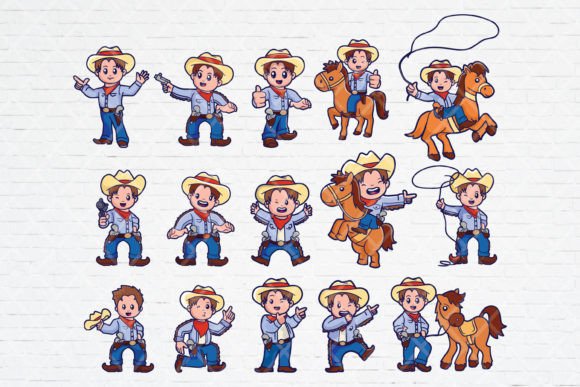
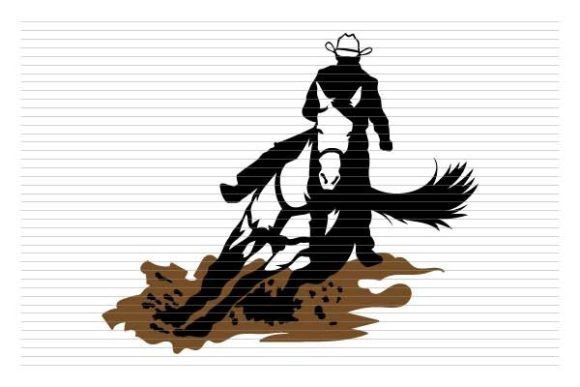
The moment I opened the file, the clean lines stood out immediately. The product description notes that these vectors are designed with the end use in mind, and that philosophy is evident in the artwork itself. There is no unnecessary clutter or jagged edges that often plague low-quality SVGs meant for cutting machines. Instead, the cowboy horse motif feels grounded, rustic, and intentionally simplified.
Visually, the design exudes a classic Western vibe without leaning into caricature. It strikes a balance between detailed enough to be interesting and simple enough to stitch cleanly. For an embroiderer, this is crucial. A design that is too intricate can turn into a muddy mess of thread if the stitch density isn’t managed perfectly. This piece, however, has a strong silhouette. It creates a mood of rugged individualism and Americana, making it instantly recognizable. When you place this on a mockup, it doesn’t just sit there; it commands attention as a statement piece. It feels like a design that belongs on a well-worn leather jacket or a sturdy canvas tote, rather than a delicate silk scarf.
Real-World Application: The Tote Bag Scenario
To truly test this machine embroidery design, I imagined a specific client scenario. A local boutique owner wanted a line of custom embroidered tote bags for a summer festival. They needed something durable, trendy, and affordable to produce. The brief called for a graphic that screamed "craft fair chic" but remained timeless.
I loaded the Cowboy Horse Svg Clipart into my digitizing software to see how it would translate. Placing it on the side panel of a heavy-duty cotton canvas tote, the proportions felt right. The negative space around the horse allowed for a generous amount of background, which prevented the design from looking cramped. In this context, the embroidery project shines because the bold lines hold up against the rough texture of the canvas. Customers walking by at a craft fair would spot it easily. It communicates quality and thoughtfulness, two things that drive sales for handmade products. It transforms a generic tote bag into a personalized gift or a unique small shop product that stands out in a sea of similar items.
Performance Across Different Media
While the tote bag was a strong candidate, this digital embroidery file has versatility that extends beyond bags. Here is how I see it performing in other common embroidery projects:
- Sweatshirt Embroidery: On a heavyweight hoodie, this design works beautifully as a chest logo or a larger back print. The rustic theme pairs naturally with soft fleece or heathered cotton blends, appealing to the outdoor and lifestyle demographics.
- Baby Embroidery: Surprisingly, the simplicity makes it suitable for nursery decor or baby onesies. If rendered in softer thread colors, it becomes a charming, gender-neutral option for parents who appreciate western aesthetics.
- Embroidered Patches: Because the lines are clean, this is an excellent candidate for applique techniques or dense satin stitch borders. It could easily be turned into a detachable patch for denim jackets or backpacks, adding a layer of customization for the wearer.
- Kitchen Towels and Aprons: For the home goods sector, this fits the farmhouse decor trend perfectly. It adds a touch of personality to kitchen textiles without being overly busy.
For Etsy sellers and creative entrepreneurs, the appeal here is broad. It taps into the enduring popularity of western and rural themes, which have seen a resurgence in mainstream fashion and home decor. Whether you are listing it as a physical item or offering it as a printable mockup for others to use, the visual recognition factor is high.
Where Caution Is Required
No design is perfect for every situation, and knowing where to draw the line is part of professional judgment. There are specific scenarios where this graphics asset might struggle:
- Small Hoop Sizes: If you attempt to shrink this down to fit a tiny 2-inch hoop, you will lose definition. The details may become indistinguishable blobs of thread. Keep the minimum size large enough to maintain the integrity of the lines.
- Textured or Stretchy Fabrics: While it handles canvas well, applying this to a highly textured boucle knit or a thin, stretchy jersey requires careful stabilizer selection. Without proper support, the clean lines might pucker or distort, ruining the finished product appearance.
- Dense Stitch Areas: If the original file contains very tight fill stitches, you might encounter issues on curved surfaces like caps. The bulk could make the hat uncomfortable or cause the needle to break. Always check the stitch density before committing to production runs.
- Dark Fabric on Light Thread: Conversely, trying to stitch light-colored threads onto dark fabrics with thin lines can result in poor coverage. You may need to add an underlay or switch to a heavier thread weight to ensure visibility.
Practical Designer Notes for Implementation
Before you rush this into your production queue, here are some essential steps to ensure success. First, always test the design on scrap fabric first. This is non-negotiable. It allows you to assess how the thread colors interact with your specific material choice. Second, review the stitch density in your software. If the design looks too dense, consider simplifying the fill areas or switching to a combination of satin stitch and running stitch to reduce bulk and improve drape.
Inspect small details closely. Are there any tiny corners that might not stitch out clearly? If so, you might need to slightly round them off in your vector editing software before importing. Also, compare the design in black and white mockups. Sometimes color distracts us from structural flaws. If it doesn’t read well in grayscale, it won’t stitch well either.
Furthermore, confirm whether the design works for both personal and commercial embroidery uses. As a crafter or small business owner, understanding your licensing rights is vital. Even though the vectors are clean and ready for any cutting machine, ensure you have the right to sell finished goods featuring this art. Finally, choose the right stabilizer. A cut-away stabilizer is usually best for durability, especially for items like tote bag design elements that will undergo frequent washing and heavy use.
Final Verdict
The Cowboy Horse Svg Clipart is a solid, well-executed asset that respects the technical limitations of embroidery. It offers a clean, professional aesthetic that translates well from screen to fabric. For designers looking to add a touch of western charm to their handmade product lines, this is a reliable choice. It enhances brand consistency and adds perceived value to items like custom apparel and gifts. Just remember to respect the scale, manage your tension, and always test before you sell. When executed correctly, this design can elevate a simple commodity into a memorable keepsake.