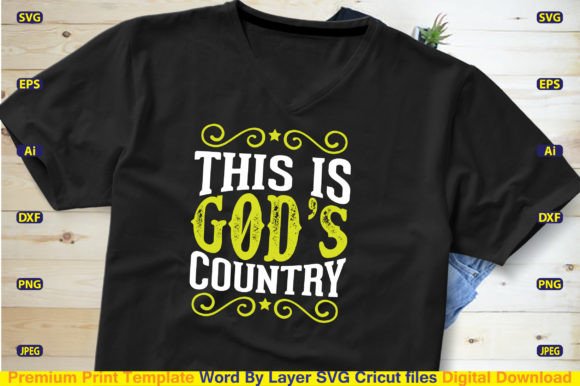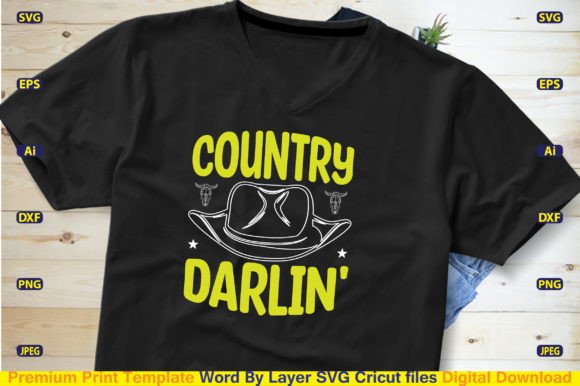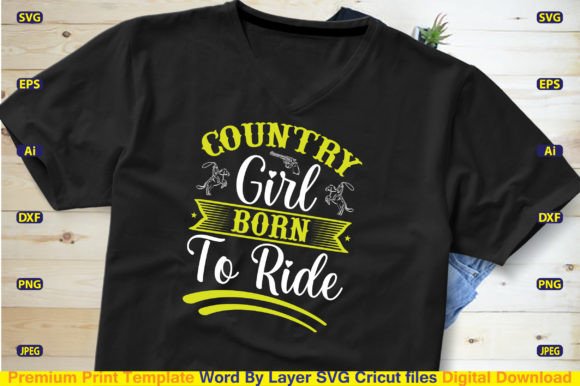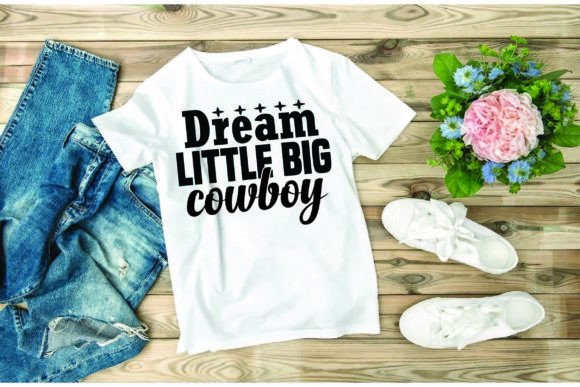
Little Country Little Hood Svg Cut File Review
As a designer who spends more time staring at stitch density charts and fabric swatches than scrolling through social media, I approach every new digital asset with a healthy dose of skepticism. The market is flooded with "cute" graphics that look charming on a screen but fall apart under the needle. Today, I am evaluating the Little Country Little Hood Svg Cut File, a design that claims to bridge the gap between rustic charm and modern apparel aesthetics. But does it hold up when we move from a flat vector file to a tangible, stitched product? Let’s dive into the practical realities of using this design for real-world projects.
First Impressions: Mood and Visual Personality
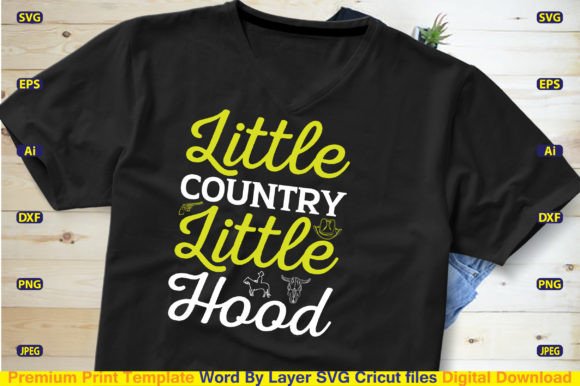
The moment you load the Little Country Little Hood Svg Cut File into your workspace, the intent is clear. It leans heavily into the "cottagecore" and western-inspired aesthetic that has dominated handmade markets for the last few years. The visual personality is cozy, nostalgic, and slightly whimsical. It feels less like a bold statement piece and more like a quiet confidence—exactly the kind of vibe that sells well in boutique settings.
From a layout perspective, the design balances negative space with intricate details. This is crucial for embroidery because too much clutter can lead to puckering, while too little detail can make a project feel unfinished. The hooded figure or motif (depending on how you interpret the silhouette) provides a strong central anchor, allowing surrounding elements to frame it without overwhelming the composition. It creates a mood that is perfect for autumn collections, nursery decor, or casual weekend wear. It doesn’t scream for attention; it invites the viewer to lean in closer.
Real-World Application: Where This Design Shines
I recently put this design through its paces, not just as a digital preview, but by imagining its application across various T-Shirt Designs and Graphics categories. Here is where I see the highest potential for success:
- Custom Apparel and Sweatshirts: This is the sweet spot. The rustic theme pairs beautifully with heavyweight cotton blends or fleece. When embroidered on a cream or oatmeal-colored sweatshirt, the Little Country Little Hood Svg Cut File exudes warmth. It works particularly well on the left chest area for a subtle brand touch or centered on the back for a statement piece.
- Baby Embroidery Items: There is an inherent softness to this design that translates perfectly to baby clothes. Think onesies, burp cloths, or small blankets. The gentle curves and country theme evoke safety and comfort, making it a top choice for baby showers or new parent gifts.
- Embroidered Patches and Tote Bag Designs: Because the design has a contained shape, it lends itself well to being digitized as an applique design or a dense fill stitch patch. Imagine this stitched onto a canvas tote bag for a farmer’s market vendor or a linen apron for a home baker. It adds a layer of professionalism and brand identity that simple print-on-demand items often lack.
- Holiday Embry and Gifts: While not strictly holiday-themed, the cozy nature of the design fits seamlessly into fall and winter gift guides. It is ideal for personalized gifts, such as monogrammed hats or kitchen towels, where the customer wants something unique and handmade.
Technical Considerations and Stitch Clarity
For any machine embroidery design to succeed, technical execution is paramount. When reviewing the Little Country Little Hood Svg Cut File, several factors come into play regarding stitch quality and fabric interaction.
Stitch Density and Hoop Size: The design appears to have moderate complexity. If used as a standard embroidery file, you must ensure the stitch density is appropriate for the fabric weight. On thin fabrics, high-density stitches can cause visible distortion on the reverse side. Always test the hoop size constraints early. If the design is large, you may need to split it or choose a larger hoop to avoid re-hooping, which can misalign the stitching.
Thread Colors and Contrast: The visual appeal of this design relies heavily on thread selection. A classic black or dark brown thread on a light background will emphasize the outline, while a multi-color approach can bring out the texture of the fill stitches. Be cautious with satin stitch areas; if the pathing is too tight, the thread may break or create a bulky ridge that catches on other garments.
Fabric Texture and Stabilizer: Not all fabrics are created equal. Stretchy knits require a cut-away stabilizer to prevent distortion, whereas woven cottons might get away with tear-away. If you plan to use this on a textured fabric like burlap or heavy denim, you may need to adjust the underlay stitches to ensure the design sits flat. Ignoring the stabilizer choice is the fastest way to ruin a professional-looking finished product.
Pitfalls to Avoid: Where Caution Is Needed
Even the best designs have limitations. There are specific scenarios where the Little Country Little Hood Svg Cut File might struggle:
- Small Hoop Sizes: If you are working with very small hoops, fine details in the design may become muddy. Tiny running stitch elements can disappear or merge with adjacent fill stitches if the resolution is too low.
- Dark Fabric Challenges: On dark backgrounds, you will need a substantial underlay or a backing layer to prevent the base fabric color from showing through lighter threads. This adds bulk and time to the production process.
- Curved Surfaces: While caps and hats are popular canvases, curved surfaces can distort straight lines. Ensure your digitizing software accounts for the curvature, or consider using this design on flat items like pillow covers or aprons first.
- Frequent Washing: For items that will undergo rigorous washing, such as workwear or baby clothes, inspect the durability of the edges. Loose ends or insufficient trimmings can lead to fraying over time, affecting the longevity of the handmade product.
Impact on Brand Value and Customer Trust
In the world of Etsy sellers and small shop products, presentation is everything. Using a well-executed design like the Little Country Little Hood Svg Cut File signals professionalism. When a customer receives a item with clean stitches, proper alignment, and thoughtful thread choices, their trust in your brand increases. They perceive the item as higher value, justifying a premium price point.
Furthermore, this design supports commercial embroidery strategies effectively. It is versatile enough to be used in various contexts—from custom apparel to printable mockups for digital marketing. By showcasing the design in different lighting conditions and on various fabric textures in your design assets, you help buyers visualize the final outcome, reducing return rates and increasing buyer engagement.
Practical Designer Notes for Implementation
Before committing to a full production run, I recommend following these steps to ensure quality:
- Test on Scrap Fabric: Never assume a design will work on your target material without a test run. Check for puckering, thread breaks, and tension issues.
- Black and White Mockups: View your design in grayscale to check contrast levels. This helps identify areas where colors might blend together unintentionally.
- Review Stitch Density: Zoom in on the digital file to inspect small details. Are there any overlapping paths that could cause needle strikes to collide?
- Confirm Licensing: As a digital download, verify the terms of use. Can you sell the finished physical items? Are there restrictions on the number of units? Clear licensing protects your craft business from legal issues.
- Check for Word-by-Layer Features: Since the description mentions "Word By Layer," ensure you can isolate text elements if you need to customize names or dates. This flexibility is invaluable for personalized gifts.
Ultimately, the Little Country Little Hood Svg Cut File is a strong contender for designers looking to add a touch of rustic elegance to their portfolio. It requires careful handling regarding fabric choice and stabilization, but when executed correctly, it results in a finished product that is both visually appealing and commercially viable. For the discerning maker who values quality over quantity, this design offers a reliable foundation for creating memorable, handcrafted goods.