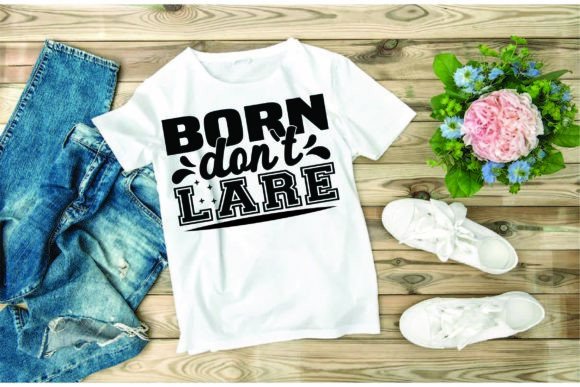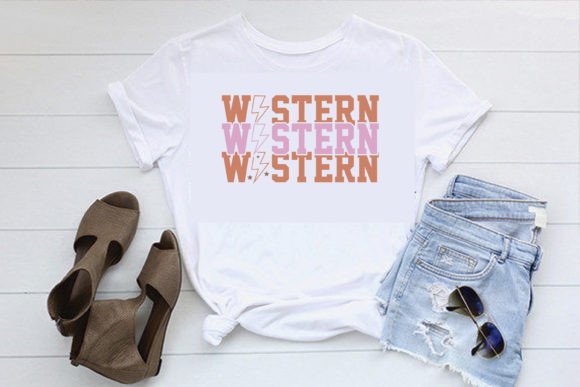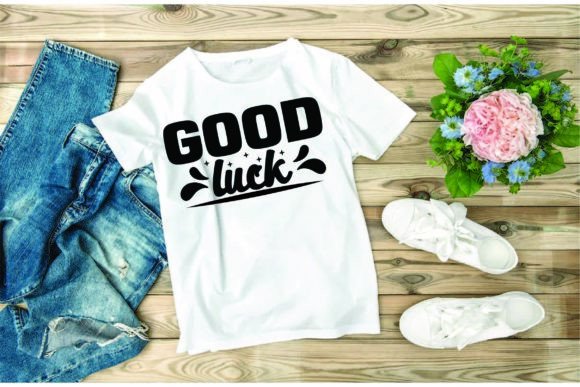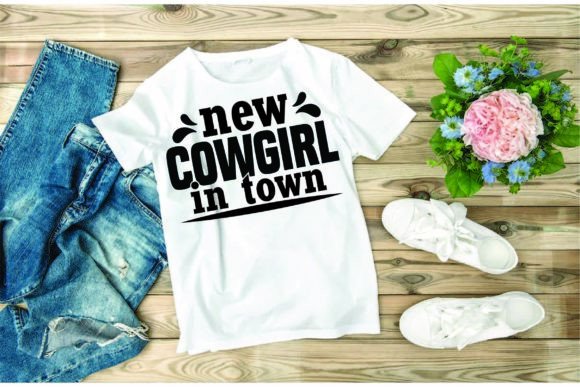
Retro Western-SVG Design Review
As a designer who spends more time staring at stitch charts and fabric swatches than sleeping, I approach every new digital asset with a healthy dose of skepticism. The market is flooded with "premium" files that look beautiful on a screen but fall apart under the needle. That is exactly why I pulled Retro Western-SVG Design out of the pack for a serious evaluation. This isn't just about whether the vector lines are clean—though that is step one—it is about how this design translates from a flat graphic into a tangible, sellable handmade product.
I have been reviewing T-Shirt Designs and various Graphics for small business owners and crafters for years. My goal here is to give you the practical insight you need before you commit to buying or using this file in your next embroidery project. Whether you are an Etsy seller, a boutique owner, or a hobbyist looking to create the perfect personalized gift, this review will help you decide if this retro western theme fits your workflow.
The First Impression: Mood and Visual Personality
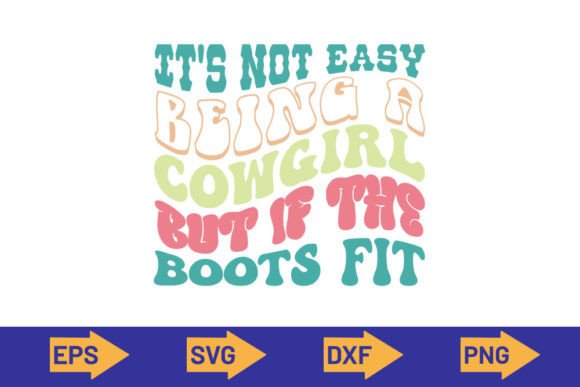
When you first open the ZIP file containing the Retro Western-SVG Design, the immediate takeaway is the strong visual identity. The aesthetic leans heavily into vintage Americana, evoking a sense of nostalgia that is currently performing very well in the craft business space. It feels rugged yet approachable, which makes it incredibly versatile for custom apparel.
The layout is balanced, avoiding the cluttered look that often plagues lower-quality digital embroidery file assets. The shapes are bold, which is a critical factor for embroidery. Unlike intricate line art that can get lost in the weave of cotton twill, these retro western elements command attention. The mood is playful but structured, suggesting that this design would work exceptionally well for sweatshirt embroidery where a statement piece is desired. It has a timeless quality that avoids feeling like a fleeting trend, meaning your inventory won't feel outdated by next season.
Real-World Application: From Screen to Stitch
Let’s talk about real use. I imagined this design being applied to a few specific scenarios to test its viability. First, consider a tote bag design made from heavy canvas. The retro western theme pairs naturally with durable fabrics. When stitched onto a tote, the bold lines provide a professional finish that elevates the item from a simple bag to a branded accessory. For an Etsy seller, this kind of clear, legible design reduces customer complaints about "blurry" stitching because the shapes are distinct and easy to read even at smaller scales.
Another strong candidate is a patch application on a denim jacket or a cap. The design’s structure allows it to hold its shape well when cut out and edged. If you are creating commercial embroidery items for local businesses, such as a rodeo event or a western-themed cafe, this design offers instant recognition. It communicates a specific lifestyle without needing text, which simplifies the production process.
I also envision this working beautifully for holiday embroidery gifts. Think of a cozy throw blanket or a kitchen towel featuring this retro motif. The warmth of the theme aligns perfectly with autumn and winter gifting seasons. For small shop products, versatility is key, and this design bridges the gap between masculine and feminine aesthetics, broadening your potential customer base.
Technical Performance and Stitch Clarity
One of the biggest risks in digitizing retro styles is losing detail in the stitch density. The Retro Western-SVG Design appears to rely on solid shapes rather than excessive fine lines, which is a smart choice for machine embroidery. This suggests that it will render cleanly with standard thread colors. However, because the description notes it is "100 color changeable," you have the flexibility to adapt the palette to match specific brand guidelines or seasonal trends.
For those concerned about applique design techniques, the clean vector edges make this a prime candidate for appliqué work. You could use a contrasting thread for the satin stitch border to make the design pop against the background fabric. Alternatively, using a dense fill stitch for the main body ensures opacity and durability, especially important for items that will undergo frequent washing.
If you plan to incorporate running stitch for decorative accents within the western motif, the high-resolution vectors allow you to scale these details appropriately. Just be mindful of the scale; tiny running stitches can break easily on textured fabrics. The design’s inherent boldness mitigates this risk, allowing you to focus on creative color combinations rather than fighting the digitization.
Where to Exercise Caution
No design is perfect for every surface, and knowing where Retro Western-SVG Design might struggle is just as important as knowing where it shines. I recommend avoiding this design for very small hoop sizes unless you are confident in your machine’s precision. While the shapes are bold, cramming them into a tiny area can result in a muddy appearance where individual elements bleed into one another.
Be cautious when applying this to highly textured fabrics, such as chunky knits or bouclé. The uneven surface can distort the stitch density, leading to puckering or misaligned patterns. Similarly, stretchy fabrics require careful hooping and potentially a tear-away stabilizer to prevent distortion during the stitching process. If you are working with dark fabric, ensure your thread selection provides sufficient contrast; otherwise, the retro details may get lost in the shadows.
Curved surfaces like caps present their own challenges. While the design is scalable, ensuring it lays flat on a curved brim requires proper padding and technique. Avoid placing detailed corners near the edge of the hoop, as the needle penetration there can sometimes cause minor skips or fabric damage. Always inspect small details closely after stitching to ensure they haven’t merged due to excessive thread tension.
Practical Designer Notes for Success
Before you upload this file to your machine, follow these essential steps to guarantee a professional result:
- Test on Scrap Fabric: Always run a test stitch-out on the exact fabric you plan to use. This reveals how the material interacts with the stabilizer and shows you if any adjustments to tension are needed.
- Check Thread Contrast: Evaluate your thread colors against the fabric background. A low-contrast combination can ruin the visual impact of a well-designed file.
- Review Hoop Size: Confirm that your machine’s hoop size accommodates the maximum dimensions of the design without requiring resizing that could compromise quality.
- Inspect Small Details: Zoom in on the vector file to identify any tiny elements that might not translate well to thread. Consider simplifying these if necessary.
- Use Black and White Mockups: View the design in grayscale to check for balance and composition independent of color distractions.
- Confirm Licensing: Verify the license terms before selling finished items. Ensure you are allowed to use this design assets package for commercial purposes, especially if you are producing inventory for an Etsy listing or craft fair.
Final Verdict
The Retro Western-SVG Design stands out as a robust, versatile option for designers looking to add character to their finished product offerings. Its strong visual personality and clean structure make it suitable for a wide range of applications, from apparel decorators creating custom tees to makers crafting unique nursery decor.
By understanding its strengths and respecting its limitations regarding fabric type and scale, you can leverage this design to build trust with your customers through high-quality presentation. It is a reliable tool in your arsenal, capable of helping you create memorable handmade product experiences that resonate with buyers. If you are ready to elevate your craft business with a design that balances style and substance, this retro western asset is certainly worth considering.