This Ain't My First Rodeo: Embroidery Review
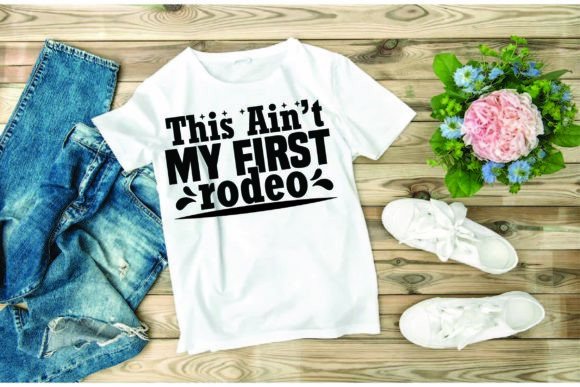
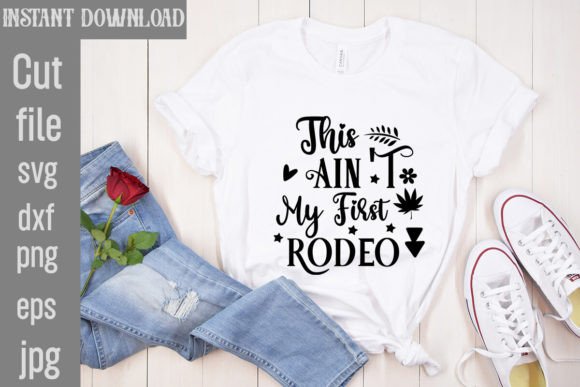
As a designer who spends more time staring at stitch charts and fabric swatches than sleeping, I have learned to be skeptical of any digital asset that promises too much. When I first pulled up This Ain t My First Rodeo SVG Cut File, my initial reaction was practical rather than emotional. The phrase itself carries a specific weight—it is confident, slightly gritty, and undeniably Texan. But does it translate well when converted from a vector graphic into a physical embroidery project? That is the question that matters most to me, and likely to you if you are reading this.
I approached this review not just as a critique of the artwork, but as an evaluation of its viability for real-world application. We are looking at a design intended for T-Shirt Designs and Graphics, specifically marketed toward crafters and small business owners. The product description indicates a digital download containing one .zip file with an SVG for Cricut, a DXF for Silhouette, an EPS vector, and a PNG transparent background at 300 Dpi. While these formats are excellent for cutting vinyl or printing on demand, my focus here is strictly on how this design behaves when stitched. If you are planning to use this as a machine embroidery design, there are critical nuances to consider before you load your hoop.
The Mood and Visual Personality
The phrase "This Ain't My First Rodeo" evokes a sense of seasoned experience. It suggests resilience, humor, and a touch of Western flair. Visually, designs like this often rely heavily on typography and perhaps a subtle iconographic element, such as a lasso, a hat, or a stylized star. For an embroidery project to succeed, the layout must balance readability with decorative appeal. In my experience, text-heavy embroidery can quickly become cluttered if the kerning is off or the font choice lacks character. This design appears to lean into a bold, legible aesthetic that suits custom apparel and personalized gifts well.
For a boutique owner or Etsy seller, this mood is gold. It resonates with customers who value authenticity and handmade quality. It fits naturally into holiday embroidery collections, particularly around Fourth of July or country-themed events. It also works exceptionally well as a gift for someone celebrating a milestone—perhaps a retirement, a birthday, or a personal achievement where the recipient wants to convey they know what they are doing. The visual personality is approachable yet strong, which helps in building customer trust and brand consistency.
Real-World Application Scenarios
Let us imagine a concrete scenario. You are preparing a batch of custom embroidered tote bags for a local craft fair. You want something that stands out on a rack of generic floral prints. You choose This Ain t My First Rodeo SVG Cut File for a heavy-duty canvas tote. Because the design originates as a vector (SVG/EPS), scaling it to fit the bag’s panel is straightforward. However, when digitizing this for embroidery, the placement becomes key. A centered chest placement on a sweatshirt might feel too standard, whereas a pocket-sized patch on a denim jacket or a large back-print on a tote bag allows the design to breathe.
I also see this design performing well in baby embroidery projects, though with caution. A onesie featuring this phrase could be a humorous gift for parents who pride themselves on their parenting skills. Alternatively, it could serve as a playful nursery decor item for a child’s room with a western theme. The versatility extends to aprons for home cooks who take their grilling seriously, or even pillow covers for a farmhouse-style living room. The design assets provided allow for easy integration into various product lines, making it a valuable addition to a small shop’s inventory.
Technical Considerations for Stitching
Here is where we need to get technical. The fact that you receive an SVG and DXF means you likely have the source art, but you still need to ensure it is properly digitized for your machine. Not all vector files are created equal when it comes to stitching. If you are converting this yourself, pay close attention to the stitch density. Text-based designs can become stiff and puckered if the underlay stitches are too dense. Conversely, if the fill stitch areas are too sparse, the fabric texture will show through, ruining the clean look of the finished product.
Consider the thread colors carefully. A high-contrast combination, such as white thread on black fabric or navy on cream, will enhance the readability of the phrase. On textured fabrics like burlap or heavy linen, fine details may get lost. In such cases, simplifying the design or using a satin stitch border can help define the edges. Also, inspect the small details. If the design includes tiny stars or decorative swirls, test them on scrap fabric first. Tiny elements can easily bunch up or break during the stitching process, especially on stretchy fabrics like jersey knits used for t-shirts.
Where to Use Caution
While this design has broad appeal, there are situations where it requires careful handling. Avoid using it for very small hoop sizes unless the design is simplified. Trying to cram a complex phrase into a 4x4 inch hoop often results in cramped lettering that is difficult to read. Similarly, be wary of using this on curved surfaces like baseball caps without proper stabilizer support. The tension needs to be adjusted to prevent distortion.
Dark fabrics can pose a challenge if the design relies on negative space. Ensure that your backing material provides enough opacity so that the color of the garment doesn’t bleed through the stitches. Additionally, if you plan to sell finished items, confirm the licensing terms associated with the digital download. Some creators restrict commercial use, while others allow it with attribution. As an Etsy seller or small business owner, protecting your intellectual property and respecting the original artist’s rights is crucial for long-term success.
Final Verdict for Designers and Sellers
This Ain t My First Rodeo SVG Cut File offers a solid foundation for creating engaging handmade products. Its strength lies in its relatable message and versatile format. Whether you are creating personalized gifts for friends or mass-producing merchandise for your online store, this design has the potential to connect with buyers on an emotional level. It conveys confidence and style, qualities that customers appreciate in custom apparel and embroidered patches.
To maximize its effectiveness, treat it as part of a broader strategy. Use the included PNG for printable mockups to showcase your designs before production. Compare light and dark fabric backgrounds to determine which presentation yields the highest engagement. Test the design in black and white to check for contrast issues. And always, always run a test stitch on scrap fabric to evaluate the overall look and feel. By paying attention to these details, you can transform a simple digital file into a professional, high-value finished product that customers will love.
In summary, this is a reliable tool for any embroiderer’s toolkit. It is not just another clipart; it is a statement piece that, when executed with care, can elevate your craft business. So, grab your needle, select your best thread colors, and get ready to stitch something memorable. After all, if you are selling handmade goods, you clearly aren't new to this either.