Little Dream Big Cowboy Review
As a designer who spends half my life staring at stitch charts and the other half debating thread colors, I don’t just look for "cute." I look for viability. When I received the Little Dream Big Cowboy design to evaluate for potential use in client work and personal craft business projects, my first instinct was to check the structural integrity of the motif. Does it translate well from a vector screen to physical thread? Is it too busy for a small hoop? Will it hold up after twenty washes?
The short answer is yes, but with some specific caveats that every embroiderer needs to know before hitting the start button. This isn't just another generic graphic; it has a distinct personality that works exceptionally well for targeted markets, provided you respect the technical limitations of the medium.
First Impressions and Visual Personality
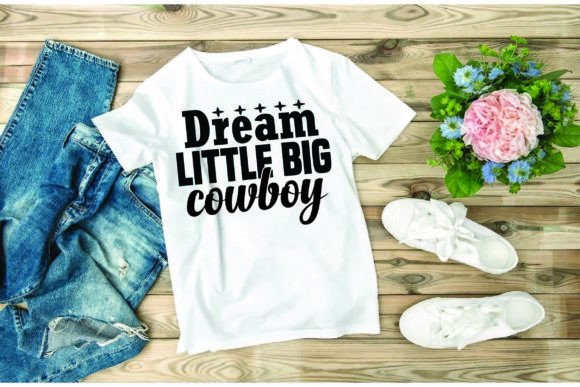
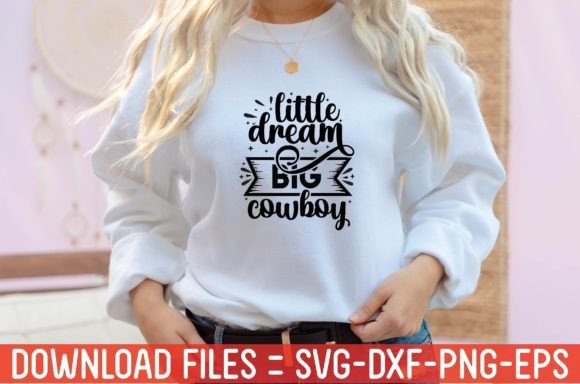
From a pure aesthetic standpoint, Little Dream Big Cowboy strikes a balance between whimsy and rugged charm. The concept taps into a very popular niche: the intersection of childhood innocence and western heritage. It feels nostalgic without being dated. The layout is clean, which is crucial because embroidery is inherently textural. If the original design is cluttered, the stitching will become muddy.
The visual weight of the cowboy element suggests a bold statement piece. It doesn't whisper; it speaks. This makes it ideal for items where you want immediate recognition. Whether you are creating a custom apparel line or a boutique gift set, this design commands attention. It carries a mood that is both playful and grounded, making it versatile enough for a toddler’s wardrobe or a rustic-themed nursery decor piece.
Real-World Application: Where It Shines
I spent some time mentally mapping out where this design would fit best in a production workflow. Here is how Little Dream Big Cowboy performs in actual scenarios:
- Custom Apparel and Sweatshirts: This is perhaps its strongest suit. On a heavyweight cotton sweatshirt, the design pops. The contrast between the soft fabric and the structured embroidery creates a premium feel. It works beautifully as a chest pocket placement or centered on the back of a youth-sized tee.
- Baby Embroidery and Nursery Items: There is something deeply appealing about western themes for nurseries. This design translates perfectly to burp cloths, receiving blankets, and crib bumpers. The "little dream" aspect resonates emotionally with parents looking for meaningful personalized gifts.
- Tote Bag Design: Canvas tote bags are a staple for any Etsy seller. This design offers high visibility on a bag. Because it is likely balanced in its composition, it won’t get lost against the texture of heavy canvas. It adds a touch of artisanal flair to what could otherwise be a plain accessory.
- Embroidered Patch: If the file includes a clean border, this is prime candidate material for an iron-on or sew-on patch. Patches allow for a concentrated area of detail, which helps maintain clarity. Think motorcycle vests, denim jackets, or backpacks.
- Holiday Embryoidery: Western themes are huge during holidays like Christmas and 4th of July. This design fits seamlessly into seasonal collections, offering a unique alternative to standard Santa or patriotic motifs.
Technical Considerations and Stitch Clarity
Now, let’s talk about the mechanics. As an experienced reviewer, I have to warn you about the details. Embroidery is unforgiving of poor planning. While the description mentions it comes in various formats including SVG and DXF, you must verify the stitch type within those files.
If the design relies heavily on tiny satin stitch details, you need to ensure your machine can handle the density. Small, intricate lines can merge together if the stitch density is too high, resulting in a blob rather than a defined shape. Conversely, if it uses too much fill stitch, it might add unnecessary bulk to lightweight fabrics.
I recommend testing the Little Dream Big Cowboy file on scrap fabric that matches your final product in weight and texture. Pay close attention to the corners and curves. Are they sharp and clean, or do they fray during the digitizing process? If the cowboy hat brim or the dream cloud elements have thin extensions, they may require additional stabilizer support to prevent puckering.
Thread Color and Contrast
The success of this design hinges on color choice. You cannot simply pick random threads. For a dark fabric background, light, vibrant threads are essential to create legibility. For light fabrics, darker threads provide necessary contrast. I often suggest creating a black-and-white mockup of the design to check its silhouette. If the image looks good in grayscale, it will likely stitch well. This step saves hours of re-threading and troubleshooting.
Where to Use With Caution
Not every surface is created equal. There are specific contexts where Little Dream Big Cowboy might struggle:
- Small Hoop Sizes: If you attempt to stitch this in a hoop smaller than 4x4 inches, you risk losing detail. Fine lines may disappear. Always confirm the minimum recommended hoop size for this specific design asset.
- Stretchy or Thin Fabrics: Knits and thin synthetics can distort under the tension of embroidery. Without proper tear-away or cut-away stabilizer, the design may warp. Test carefully on these materials.
- Curved Surfaces: While caps are popular, stitching a flat design onto a curved visor requires advanced technique. The perspective might look distorted to the wearer. This design is better suited for flat panels or larger curved surfaces like a sweatshirt shoulder.
- Dense Stitch Areas: Avoid placing this design over existing seams or pockets where multiple layers of fabric already exist. The added thickness can be uncomfortable and difficult to hoop securely.
Impact on Product Value and Branding
For small business owners and craft business operators, the perception of quality is everything. A well-executed embroidery project elevates the perceived value of the item. Customers are willing to pay more for handmade goods that show precision and care.
Using Little Dream Big Cowboy effectively signals professionalism. It shows that you understand design trends and have the technical skill to execute them. When customers see a crisp, clear cowboy motif on a high-quality garment, they trust the brand. It enhances brand consistency if you position yourself in the western, rustic, or children’s wear niches.
Furthermore, this design is highly giftable. Its theme lends itself naturally to birthdays, baby showers, and holiday exchanges. This emotional connection drives sales for printable mockups and finished products alike. It is not just a decoration; it is a conversation starter.
Practical Designer Notes Before You Start
Before you commit to a full production run, follow these steps:
- Test on Scrap: Never skip this. Fabric behaves differently than paper.
- Check Licensing: Ensure you have the commercial rights to sell finished items made from this digital embroidery file. The source description should clarify usage rights.
- Review Stabilizer Needs: Determine if you need cut-away or tear-away based on the fabric weight.
- Inspect Small Details: Zoom in on the digital preview. Are there any disconnected stitches that might cause thread breaks?
- Compare Backgrounds: See how the design looks on both white and colored backgrounds to ensure maximum versatility.
In conclusion, Little Dream Big Cowboy is a strong contender for designers looking to add a touch of western charm to their repertoire. It is visually appealing, emotionally resonant, and technically sound when handled with care. By respecting the limits of the medium and focusing on quality execution, you can turn this design into a standout product for your shop or personal collection.