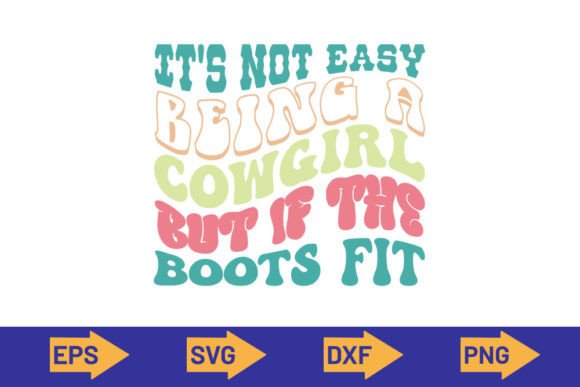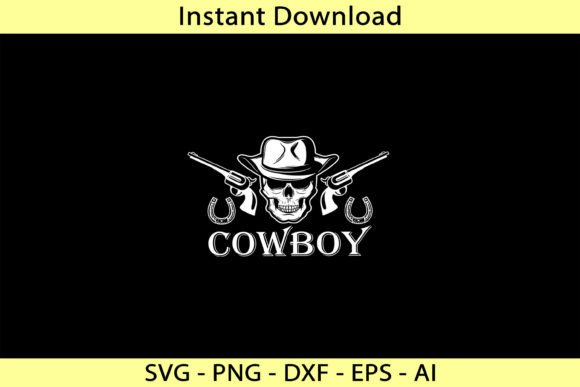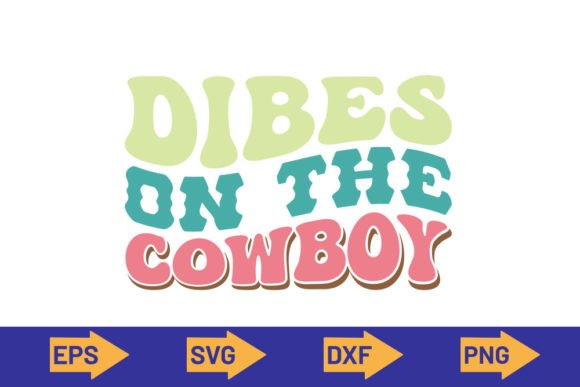
Retro Dibes on the Cowboy-SVG Design
When I sit down to evaluate a new digital asset for my embroidery studio, I am rarely looking at just a pretty picture. I am looking at stitchability, longevity, and marketability. As a designer who frequently transitions from screen to fabric, I know that a design can look stunning in a mockup but fail miserably when stitched into a dense satin field or a delicate applique project. That is exactly why I took Retro Dibes on the Cowboy-SVG Design for a real-world test run before deciding whether it deserves a spot in my commercial library.
This graphic falls squarely into the T-Shirt Designs category, but its versatility extends far beyond simple cotton tees. The retro aesthetic combined with a cowboy theme offers a specific visual personality that resonates strongly with current craft trends. My goal here is to break down how this design performs not just as a file, but as a finished product on various substrates, helping you decide if it fits your craft business or personal projects.
First Impressions and Visual Personality
The moment you open the ZIP file containing Retro Dibes on the Cowboy-SVG Design, the first thing that strikes me is the clean vector structure. The description notes that it is made with 100 vector shapes, which is a crucial detail for any embroiderer. In my experience, fewer, well-defined shapes often lead to cleaner digitizing than overly complex, cluttered illustrations. The "retro" vibe suggests bold lines and perhaps a limited color palette, which is ideal for reducing thread breaks and maintaining clarity.
Visually, the design exudes a playful yet nostalgic energy. It feels like something you would see on a vintage western poster or a classic diner sign. This mood translates exceptionally well to handmade products. Whether you are creating a personalized gift for a father’s birthday or a boutique item for a summer festival, the theme hits the right emotional notes without being overly literal or cheesy. The layout is balanced, giving you flexibility in placement—whether centered on a chest, positioned on the back of a sweatshirt, or scaled down for a pocket application.
Real-World Application: From Screen to Stitch
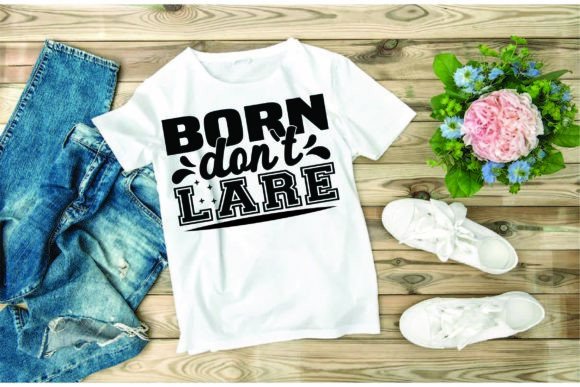
I decided to test this embroidery project on a few different materials to see how it holds up. The primary use case for a design like this is undoubtedly custom apparel. When applied to a high-quality blank t-shirt, the retro cowboy motif pops against solid colors. However, the true potential lies in its adaptability.
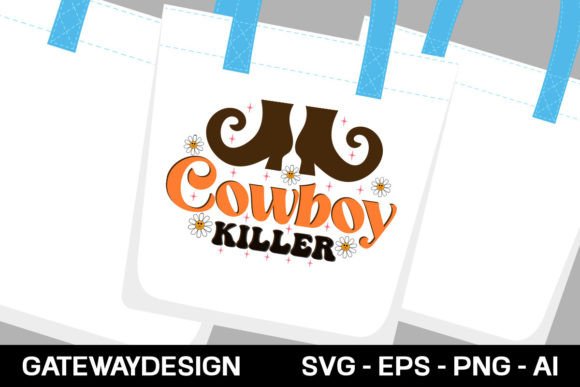
Imagine using this for a tote bag design. Canvas bags are staples in the Etsy seller inventory, and a well-executed cowboy graphic adds immediate value. Because the design is provided in multiple formats including EPS, SVG, PNG, and DXF, converting it for machine embroidery becomes a streamlined process. If you are planning an applique design approach, the distinct vector shapes allow for precise cutting of fabric pieces, resulting in a professional finish that looks expensive and handcrafted.
For smaller items, such as an embroidered patch or a cap logo, the design scales beautifully. The thick outlines typical of retro graphics ensure that details remain visible even when reduced in size. This is particularly important for small shop product creators who need designs that read clearly from a distance at craft fairs. A sweatshirt embroidery application also benefits from the bold nature of the artwork; the heavier fabric supports the weight of the stitches without warping, allowing the retro character to shine through.
Strategic Considerations for Embroidery Success
While the design is strong, no single asset works perfectly on every surface. There are specific scenarios where Retro Dibes on the Cowboy-SVG Design requires careful handling. For instance, if you plan to stitch this onto a curved surface like a baseball cap, you must pay close attention to the hoop placement. Curved surfaces can distort straight lines, so testing the alignment is non-negotiable.
Fabric texture plays a significant role in the final look. On a smooth jersey knit, the stitches will lay flat and crisp. However, on a highly textured fabric like boucle or a loose-weave linen, fine details might get lost. In such cases, relying on the stitch density of the underlying digitization (or your own digitizing choices) becomes critical. If the design includes intricate inner details, consider simplifying them or increasing the spacing between elements to prevent thread tangling.
Another area of caution is dark fabric. While the design is described as "100 Color," meaning it supports full-color printing or multi-thread applications, achieving contrast on black or navy backgrounds requires high-quality thread selection. Low-luster threads may disappear into dark fabrics, ruining the visual impact. Always inspect small details under bright lighting to ensure they remain distinct. If the design features tiny lettering or decorative accents, verify that these elements are large enough to be stitched accurately within your chosen hoop size.
Technical Notes for the Discerning Designer
To get the best results from this digital embroidery file, I recommend following a strict pre-production checklist:
- Test on Scrap Fabric: Never commit to a final product without running a test stitch-out. This reveals issues with tension, stabilizer choice, or color clashes early.
- Check Thread Contrast: Compare your chosen thread colors against the actual fabric swatch. Light-on-dark or dark-on-light combinations work best for readability.
- Review Stabilizer Needs: Depending on the fabric weight, you may need cut-away stabilizer for stretchy materials or tear-away for wovens. Proper support prevents puckering.
- Inspect Small Details: Zoom in on the vector file. Are there overlapping paths that could cause confusion during digitizing? Clean up unnecessary nodes if necessary.
- Verify Licensing: Before listing any finished product for sale, confirm the commercial use rights. Even if the file is sold as a design asset, resale terms vary by creator.
Market Appeal and Brand Consistency
From a business perspective, Retro Dibes on the Cowboy-SVG Design has strong appeal. It taps into the enduring popularity of western and rustic aesthetics, which pair well with bohemian, farmhouse, and Americana styles. This makes it a versatile addition to a commercial embroidery catalog. Customers trust brands that offer consistent, high-quality designs. By using a clean, professionally structured vector source, you ensure that your handmade product looks polished and intentional.
Furthermore, the design’s adaptability allows for creative marketing. You can create printable mockups showing the design on tote bags, aprons, and nursery decor to attract a wider audience. Parents might appreciate it for a child’s room, while adults might buy it for a holiday gift. The retro theme also lends itself well to seasonal promotions, such as Fourth of July sales or autumn harvest events.
In conclusion, this design is more than just a graphic; it is a functional tool for creators. Its vector foundation ensures scalability, while its thematic content offers broad market appeal. With proper attention to fabric choice, stitch quality, and licensing, Retro Dibes on the Cowboy-SVG Design can elevate your embroidery project from a simple craft to a professional-grade offering. For anyone looking to expand their Graphics portfolio with reliable, stylish assets, this is a worthy candidate for serious consideration.